

INTEGRATIVE ACUPUNCTURE IN WASHINGTON, DC
Doctorate-Level Orthopedic & Pain Training
Specialized training in orthopedic acupuncture, neuromodulation, and neuroplastic chronic pain.
Supportive Oncology Advanced Clinical Study
Advanced coursework through Memorial Sloan Kettering Cancer Center.
Integrative, Evidence-Based Approach
Blended education in East Asian medicine and Western biomedical sciences.
Combining evidence-based Eastern medicine & Western knowledge to get you back to your life.
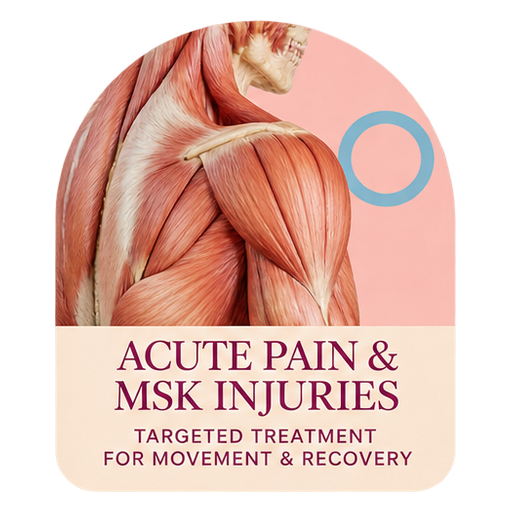

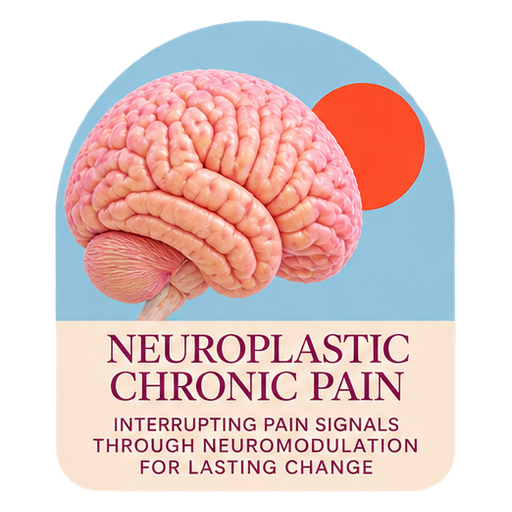
Chinese Herbal Medicine
MEET DR. RUBINA OGNO
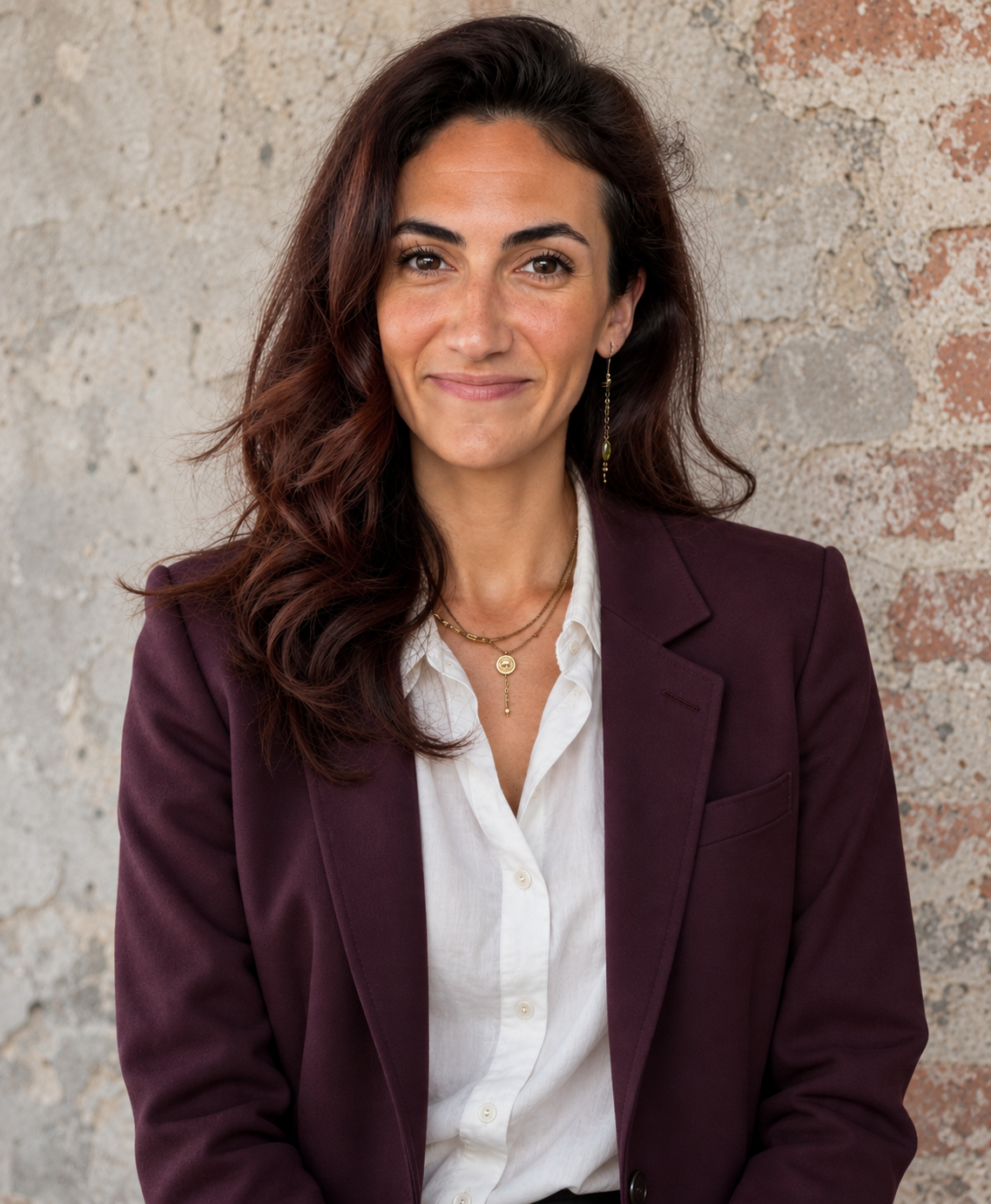
Welcome to Lupine Integrative Acupuncture! My approach combines the wisdom of East Asian medicine with modern scientific research to provide thoughtful, individualized care that considers the whole person.
One of the things I love most about practicing Chinese medicine is the opportunity to work collaboratively with patients toward meaningful improvements in their health. Every person brings a unique history, set of challenges, and vision of what feeling better looks like. I see treatment as a partnership—one built on trust, open communication, education, and a shared commitment to helping patients feel their best.
Because East Asian medicine approaches health through individualized patterns rather than Western diagnoses alone, acupuncture can address a broad range of concerns. My clinical specialties include supportive oncology care, fertility and reproductive health, neuroplastic chronic pain, acute and chronic musculoskeletal injuries, perimenopause and menopause, and constitutional health. I've completed advanced training in Supportive Cancer Care through Memorial Sloan Kettering Cancer Center, as well as specialized training in neuroplastic pain and neuromodulation. I'm particularly drawn to working with people navigating complex or persistent health concerns, especially those who haven't yet found the answers or relief they're seeking.
My treatments may incorporate traditional acupuncture, electroacupuncture, cupping, moxibustion, and Chinese herbal medicine, when appropriate. Beyond these modalities, lifestyle coaching and patient education are central to my practice. I enjoy helping patients understand their bodies and exploring how nutrition, movement, sleep, stress, and everyday habits influence their well-being. My goal is to help patients develop the knowledge and tools to feel more empowered in their own care, both during and between appointments.
I believe good medicine starts with listening. Rather than approaching symptoms in isolation, I take the time to understand how different aspects of a person's health and life intersect. Whether we're working toward pregnancy, navigating cancer treatment, recovering from an injury, or managing chronic pain, I want every patient to feel heard, respected, and actively involved in their care.
My background in civil rights and social justice has deeply shaped my commitment to making healthcare accessible, inclusive, and respectful of people of all backgrounds and identities. I strive to create a welcoming environment where patients feel comfortable being themselves and confident that their experiences and concerns will be taken seriously.
I also recognize that the best patient outcomes often come from collaboration across healthcare disciplines. I believe one of the hallmarks of a great practitioner is the quality of their referral network and the wisdom to recognize when another specialist's expertise can enhance a patient's care. No single discipline has all the answers, which is why I've intentionally built relationships with trusted local healthcare professionals. To me, truly integrative care means helping patients access the right combination of expertise and support, both within and beyond my treatment room.
Outside the clinic, I'm a lifelong dancer with a particular love for Latin dance, a member of Washington, DC's SongRise choir, and someone who finds joy in nature, good food, and community. I believe health is about more than the absence of symptoms—it's about having the freedom and capacity to participate in the things that make life meaningful.
Initial Consultation
Your health is more than a collection of symptoms. Our first visit is an opportunity to explore your health history, understand your concerns, and develop an individualized approach to care. Your consultation includes a comprehensive assessment and your first acupuncture treatment.
- ✓ Comprehensive health history and assessment
- ✓ East Asian medicine evaluation
- ✓ Full acupuncture treatment
- ✓ Individualized treatment planning
- ✓ Lifestyle, nutrition, and wellness guidance
Follow-Up Acupuncture
Each session builds on the last. We'll assess your progress, adapt your treatment to your changing needs, and continue working toward meaningful, lasting improvements in your health.
- ✓ Review of progress and health goals
- ✓ Full individualized acupuncture treatment
- ✓ Ongoing treatment plan adjustments
- ✓ Additional therapeutic modalities as appropriate
- ✓ Continued lifestyle and wellness guidance
Patient Testimonials


“My oncologist suggested that I try acupuncture, and I’m so glad I did! Ruby listens and understands what my issues are with chemotherapy and adapts the treatments to my needs. I go at least twice a week and sometimes three times with relief after every session. I no longer have bone pain, constipation, or nausea, and I always leave feeling relaxed, then later I get a burst of energy. Ruby is also compassionate, and she loves what she does, which shows. I am a true believer in the benefits of acupuncture. This is something I will continue in future post-chemotherapy, but with less frequency.”
Supportive Oncology Care
Callie | October 28, 2024
“Working with Ruby Ogno for acupuncture treatment has been completely transformative. I came to Ruby seeking help for very intense acute and chronic pain. She assessed me comprehensively and really talked through all the issues that I was experiencing. She immediately began focused treatment. I have to say that of all the multiple treatments for my pain that I have tried, Ruby’s treatment has been the most successful and impactful. I have left feeling like a new person — transformed in terms of pain, brain fog, and mood. I have also returned to having restorative and deep sleep. Along with all of these amazing outcomes, I also feel really seen and empowered by Ruby. She creates a space of healing and also makes me feel so encouraged to work on myself with lots of intention. I leave my sessions with her so happy. Thank you, Ruby!”
Pain & Overall Wellbeing
Andrea | December 23, 2024
“As a firefighter, my body takes a beating. I have been dealing with sore muscles and stiff joints. I was skeptical about acupuncture, but Ruby completely changed my perspective. From the moment I walked in, she was professional, warm, and genuinely listened to my concerns. Ruby tailored the session to address my right shoulder pain and lower back tightness, which have been nagging me for years. After just one session, I felt looser, less tense, and slept better than I have in months. I'm already looking forward to my next appointment.”
Musculoskeletal Pain & Recovery Michael | June 22, 2025
Frequently Asked Questions
-
Acupuncture needles are incredibly thin—much finer than the needles used for injections or blood draws. Most patients are surprised by how little they feel during treatment, including those that come in reluctantly due to their fear of needles.
You may experience a brief pinch upon insertion or sensations of warmth, heaviness, tingling, or a dull ache around certain points. These sensations are generally mild and fade quickly.
I tailor every treatment to your comfort level and encourage open communication throughout your session. If you're nervous about needles, that's completely okay! We will work together to ensure your comfort.
-
There's very little you need to do to prepare. I recommend eating a light meal or snack beforehand, staying hydrated, and arriving with an open mind.
Your first appointment includes a comprehensive consultation where we'll discuss your medical history, current concerns, lifestyle, sleep, digestion, stress, and other aspects of your health that may be relevant to your treatment.
Unlike many conventional medical appointments, Chinese medicine considers how different systems of the body interact. Some questions may initially seem unrelated to your primary concern, but they're often important pieces of the bigger picture.
-
Comfortable, loose-fitting clothing is ideal. Clothing that allows easy access to your arms, legs, and abdomen is especially helpful.
Depending on your treatment, you may be asked to adjust or remove certain clothing. Appropriate draping is always provided, and your privacy and comfort are priorities throughout the session.
-
Most patients can return to their normal daily activities immediately after treatment. However, I generally recommend giving yourself a little time to rest and allowing your body to respond to the session.
After your appointment, I recommend:
Staying hydrated and eating normally.
Getting a good night's sleep.
Paying attention to changes in your symptoms, energy, mood, or sleep.
Choosing gentle movement if you're feeling particularly relaxed or tired.
If possible, avoid:
Intense exercise immediately after treatment, particularly if you're feeling fatigued or have received treatment for an acute injury.
Excessive alcohol consumption.
Pushing through significant pain or discomfort.
Some patients feel deeply relaxed after acupuncture, while others feel energized. Occasionally, mild soreness, bruising, or temporary changes in symptoms can occur.
There is no need to put your life on hold after acupuncture. I'll let you know if your particular treatment calls for any additional precautions.
-
Your first visit is an opportunity for us to understand your health from a broader perspective.
We'll begin with an in-depth conversation about your symptoms, medical history, lifestyle, and goals. I may also use traditional Chinese medicine diagnostic methods, including tongue and pulse assessment, alongside relevant orthopedic or neurological assessments when appropriate.
From there, we'll discuss my findings, develop an individualized treatment plan, and begin your first acupuncture treatment.
I believe that understanding why we're doing something is an important part of healthcare, so I always make time to explain my clinical reasoning and answer your questions.
-
One of the foundational principles of Chinese medicine is "many diseases, one pattern."
In conventional medicine, conditions are often categorized by individual diagnoses or organ systems. Chinese medicine also looks for underlying patterns of dysfunction that may contribute to seemingly unrelated symptoms.
For example, someone experiencing digestive discomfort, fatigue, poor sleep, and menstrual irregularities may have several distinct medical diagnoses. From a Chinese medicine perspective, however, some of these symptoms may reflect overlapping patterns that can be addressed through a coordinated treatment approach.
The reverse is also true: two patients with the same diagnosis may receive entirely different acupuncture treatments because the underlying patterns contributing to their symptoms differ.
This is one reason acupuncture and Chinese medicine can be applied across such a broad range of health concerns. Rather than treating a diagnosis alone, we consider the individual and the relationships between their symptoms.
Of course, Chinese medicine pattern differentiation does not replace conventional medical diagnosis. Both perspectives can offer valuable information, and I believe they work best together.
-
Acupuncture has been practiced for thousands of years, and modern research continues to explore its effects on the nervous system and other physiological processes.
Studies suggest that acupuncture can influence pain processing, stimulate sensory nerves, activate endogenous pain-modulating pathways, and affect aspects of autonomic nervous system regulation.
Its mechanisms are complex and not yet fully understood, and the strength of clinical evidence varies by condition.
My approach combines traditional Chinese medicine principles with contemporary scientific understanding to develop individualized, evidence-informed treatment plans.
-
No. Acupuncture does not require a particular belief system.
While expectations, the therapeutic relationship, and the clinical environment can influence any healthcare experience, acupuncture also produces measurable physiological responses that researchers continue to investigate.
You're welcome to bring your curiosity, skepticism, or questions. I enjoy discussing both the traditional theories and modern scientific research behind this medicine.
-
Because the body doesn't operate as a collection of isolated parts.
Sleep quality, stress, nutrition, digestion, hormonal changes, and daily movement can all influence how we experience pain, recover from injuries, and maintain our health.
Chinese medicine has long emphasized these relationships. Understanding them helps me develop a more complete picture of your health and identify opportunities to support your treatment beyond the acupuncture table.
-
The number of treatments depends on your condition, how long you've been experiencing symptoms, and how your body responds to acupuncture.
I generally recommend front-loading treatments with two sessions per week for the first three weeks, then gradually tapering as symptoms improve. Much like physical therapy or starting a new exercise routine, consistency is key. Our bodies develop established patterns over time, and a single treatment is often not enough to create lasting change. More frequent treatments early on can help reinforce positive changes, build momentum, and support longer-lasting results.
Some patients notice improvement after their first visit, while others need more time, particularly with chronic or complex conditions. We'll regularly reassess your progress and adjust your treatment plan together. My goal is never to keep you coming indefinitely, but to help you achieve meaningful, sustainable improvements in your health.
-
A superbill is a detailed receipt containing the information your insurance company may need to process an out-of-network reimbursement claim.
I'm happy to provide one upon request. Whether your plan reimburses acupuncture depends on your specific benefits, diagnosis, deductible, and out-of-network coverage.
I recommend contacting your insurance provider before your appointment if you plan to seek reimbursement.
-
Absolutely. One of the things I value most about Chinese medicine is its emphasis on maintaining health, not simply responding when something goes wrong.
While acupuncture is often sought for pain or specific medical conditions, I also work with patients interested in stress management, sleep, general well-being, and maintaining healthy routines.
Preventive care may include acupuncture, movement recommendations, nutrition and lifestyle guidance, and identifying patterns that could benefit from attention before they become more disruptive.
-
Yes, and I strongly encourage it.
I believe that excellent healthcare is collaborative. Acupuncture can be a valuable component of a broader treatment plan, but it doesn't need to exist separately from conventional medicine.
I've worked to develop a trusted referral network so that patients can access coordinated, comprehensive care when needed.
-
Yes. Acupuncture is increasingly incorporated into supportive oncology care to help patients manage symptoms associated with cancer and its treatments.
Research supports acupuncture for certain cancer-related symptoms including pain, chemotherapy-induced nausea, fatigue, insomnia and mood/outlook.
I've completed advanced training in Supportive Cancer Care through Memorial Sloan Kettering Cancer Center, with a focus on safely integrating acupuncture into conventional oncology treatment.
Whether you're preparing for treatment, currently undergoing chemotherapy, radiation, or immunotherapy, or navigating survivorship, my goal is to help improve your comfort and quality of life while working collaboratively with your oncology team.
Acupuncture is intended to complement—not replace—your cancer treatment, and I'll coordinate with your medical team when appropriate.
-
Acupuncture can be a supportive part of fertility and reproductive healthcare, whether you're trying to conceive naturally or undergoing assisted reproductive treatments such as IVF.
My approach considers the broader factors that can influence reproductive health, including menstrual cycle patterns, sleep, stress, and overall well-being.
I work with patients to develop individualized treatment plans that complement their reproductive healthcare, with an emphasis on education, lifestyle support, and collaboration with fertility specialists when appropriate.
-
Not all pain works the same way, and understanding why you're experiencing pain is essential to developing an effective treatment plan.
Acute pain and musculoskeletal injuries often involve recent tissue irritation, inflammation, or injury. Treatment may focus on reducing pain, improving mobility, and supporting rehabilitation. I incorporate orthopedic assessment, acupuncture, electroacupuncture, and movement recommendations based on the nature of the injury.
Chronic pain, particularly pain that persists beyond expected tissue healing, can involve changes in how the nervous system processes and responds to sensory information. Sometimes, the nervous system becomes increasingly sensitive, amplifying pain signals even when ongoing tissue damage doesn't fully explain the symptoms.
My specialized training in neuroplastic pain and neuromodulation informs how I approach these more complex presentations.
I combine acupuncture with patient education, nervous system regulation strategies, and individualized lifestyle and movement guidance to address both the physical and neurological contributors to pain.
Importantly, chronic pain is real pain. Understanding the nervous system's role can open up additional opportunities for treatment and recovery.
-
Yes! Acupuncture is just one component of the care I provide.
Depending on your health concerns and treatment goals, I may incorporate electroacupuncture, cupping, auricular acupuncture, and other techniques from East Asian medicine.
I also place a strong emphasis on patient education, nutrition, movement, stress management, and practical lifestyle recommendations.
Not every patient needs every modality. My goal is to select the approaches that are most appropriate for you, explain why we're using them, and develop a treatment plan that fits your individual needs.
Contact
Your health is more than the absence of symptoms. It's the freedom to move, feel, and live fully. Whether you're navigating a health challenge or looking to invest in your long-term well-being, I'm here to help you explore what's possible through thoughtful, individualized care. Let's work toward getting you back to the life you want to live.
Beginning January 1, 2027
Monday: CLOSED
Tuesday: 10am-5pm
Wednesday: CLOSED
Thursday: 10am-5pm
Friday: CLOSED
2027 Location & Hours
1808 Connecticut Avenue NW
Suite 101
Washington, DC 20009
Beginning February 1, 2027
Monday: 10am-5pm
Tuesday: 10am-5pm
Wednesday: 12pm-6pm
Thursday: 10am-5pm
Friday: 10am-5pm